DevOps Solutions
CI/CD pipelines, Infrastructure as Code and container orchestration, delivered by engineers who do this work every day.
What we deliver
End-to-end automation of your build, test and deployment pipeline, for faster releases with fewer defects and full audit trails.
Terraform, Pulumi and Ansible-driven infrastructure provisioning that eliminates configuration drift and enables repeatable environments.
Kubernetes cluster design, deployment and ongoing management, including autoscaling, rolling updates and multi-cluster federation.
Full-stack observability with centralized logging, distributed tracing and real-time dashboards across your entire platform.
Security scanning, secrets management and compliance gates embedded into your pipelines.
Internal developer platforms and golden paths that accelerate delivery and reduce cognitive load for your engineering teams.
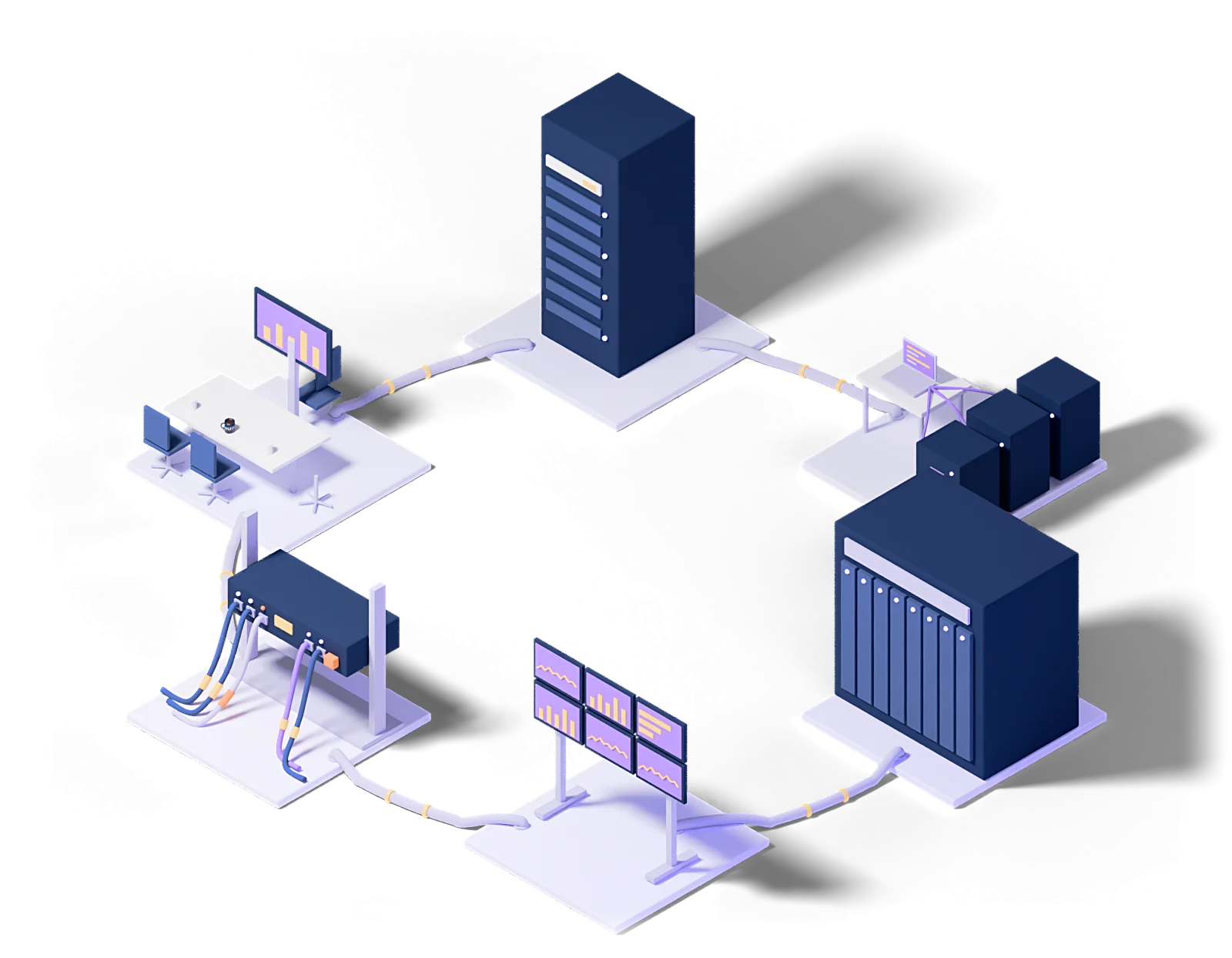
How it works
Every engagement follows the same five steps: baseline the current state, design the target model, roll out in stages, operate it, and improve against measurements.
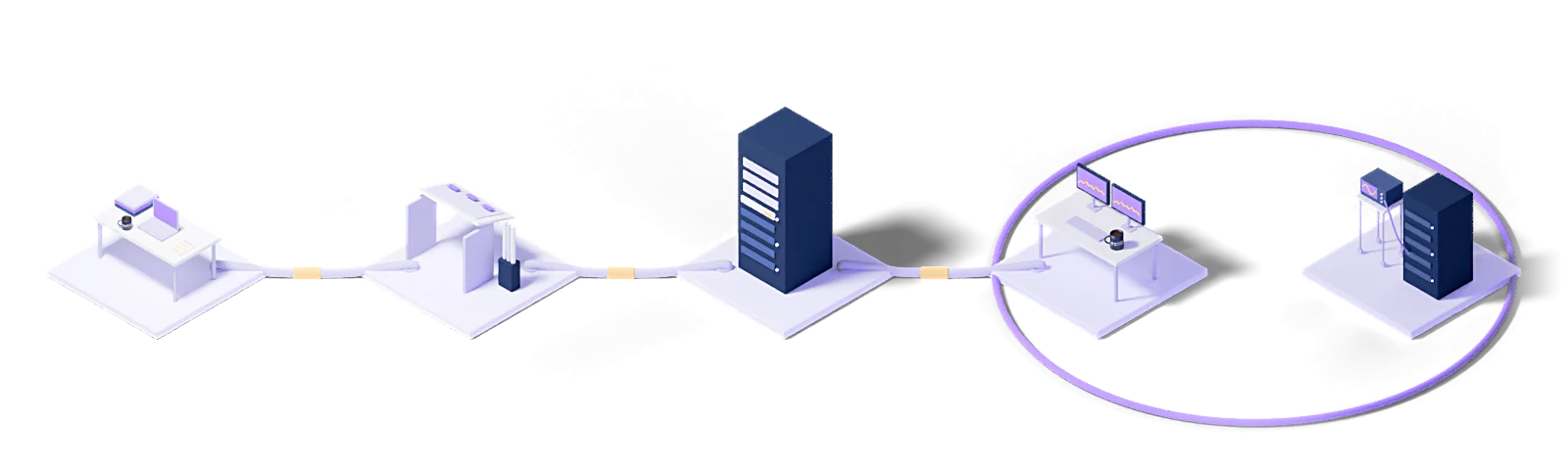
Assess
Baseline the current state, name the gaps and put the success criteria in writing.
Design
Architect the target operating model and the toolchain it needs.
Deploy
Implement, configure and validate in a staged rollout.
Operate
24/7 management with contracted response times and proactive monitoring.
Improve
Continuous improvement driven by metrics, incidents and changes in the business.
Every engagement runs under a written SLA: a commitment, not a best-effort promise.
Dedicated engineers who know your stack. No generalist help-desk tier in between.
Service reviews every two weeks, roadmap updates every quarter.
The technologies we run this on
Knowledge Hub
What we have written about running and managing technology, collected in one place.
What Is Docker? Containers vs Virtual Machines
7 min readWhat Is Kubernetes? Pods, Nodes and Clusters Explained
9 min readReliability Friday 02: How to Verify Kubernetes Readiness Probes
3 min readEveryone Uses Terraform, but Who Is Catching the Drift?
3 min readEveryone Runs Prometheus: So Why Do We Still Hear About Incidents Late?
4 min readPostgreSQL or MongoDB? The Answer Depends on Access Patterns, Not Data Shape
4 min readWhat Is Git? GitHub vs GitLab Explained
10 min readWhat Is DevOps? The DevOps Engineer Role and DORA Metrics
9 min readWhat Is CI/CD? Continuous Integration, Delivery and Jenkins
10 min read01How is buying DevOps as a service different from hiring a DevOps engineer?
You get a team and an established set of practices instead of one person. When a DevOps engineer leaves, how the pipeline was built usually leaves with them; here the pipeline is documented, versioned and transferable.
02Will you break our existing release process?
No, we build on it. The first job is measuring the current flow: how long a change takes to reach production, the failed release rate, and rollback time. Improvements are then measured against that baseline.
03Which tools do you work with?
GitLab CI, GitHub Actions, Jenkins, Argo CD and Terraform are the common ones. Tool choice starts from what your team already uses; changing tools produces less value than changing process.
04What is the real benefit of infrastructure as code?
Being able to reproduce the same environment. An environment built by hand cannot be rebuilt when a person leaves or after a disaster. Held as code, it can be rebuilt, and the changes can be reviewed.
05Do you train our development team?
Yes, it is part of the handover model. We do not want to be the only ones who can run the pipeline: your team should understand it and be able to step in. Automation nobody understands becomes a box nobody can touch during an incident.
Let's work out where to start
Within two weeks you get it in writing: what works, what carries risk, and a prioritized roadmap.
Request a conversation