IT Architecture & System Design
We connect business strategy to technical implementation with blueprint-driven IT architecture. Our architects design scalable, resilient systems built on cloud-native patterns, microservices and distributed data architectures, so your technology stack keeps pace as the business grows.
What we deliver
Designing high-availability systems using 12-factor app principles, serverless patterns, and containerized microservices. We focus on scalability, observability, and cost-efficiency from the start.
Systematic decomposition of legacy monoliths based on Domain-Driven Design (DDD). We create a roadmap for incremental modernization using the strangler pattern to avoid big-bang risks.
Architecting data platforms that handle high-volume ingest, real-time analytics, and long-term storage. We design for polyglot persistence, eventual consistency, and data sovereignty.
Predictive modeling and load testing of your architecture to ensure systems can handle 10x growth. We identify systemic bottlenecks and design infrastructure that scales linearly with demand.
Designing how your enterprise systems connect, using synchronous API-led integration or asynchronous event-driven architectures (Kafka, RabbitMQ), so data flows reliably between them.
Formal review processes (Well-Architected Reviews) and Architecture Decision Records (ADRs). We ensure your evolving platform adheres to security, reliability, and cost baselines.
How it works
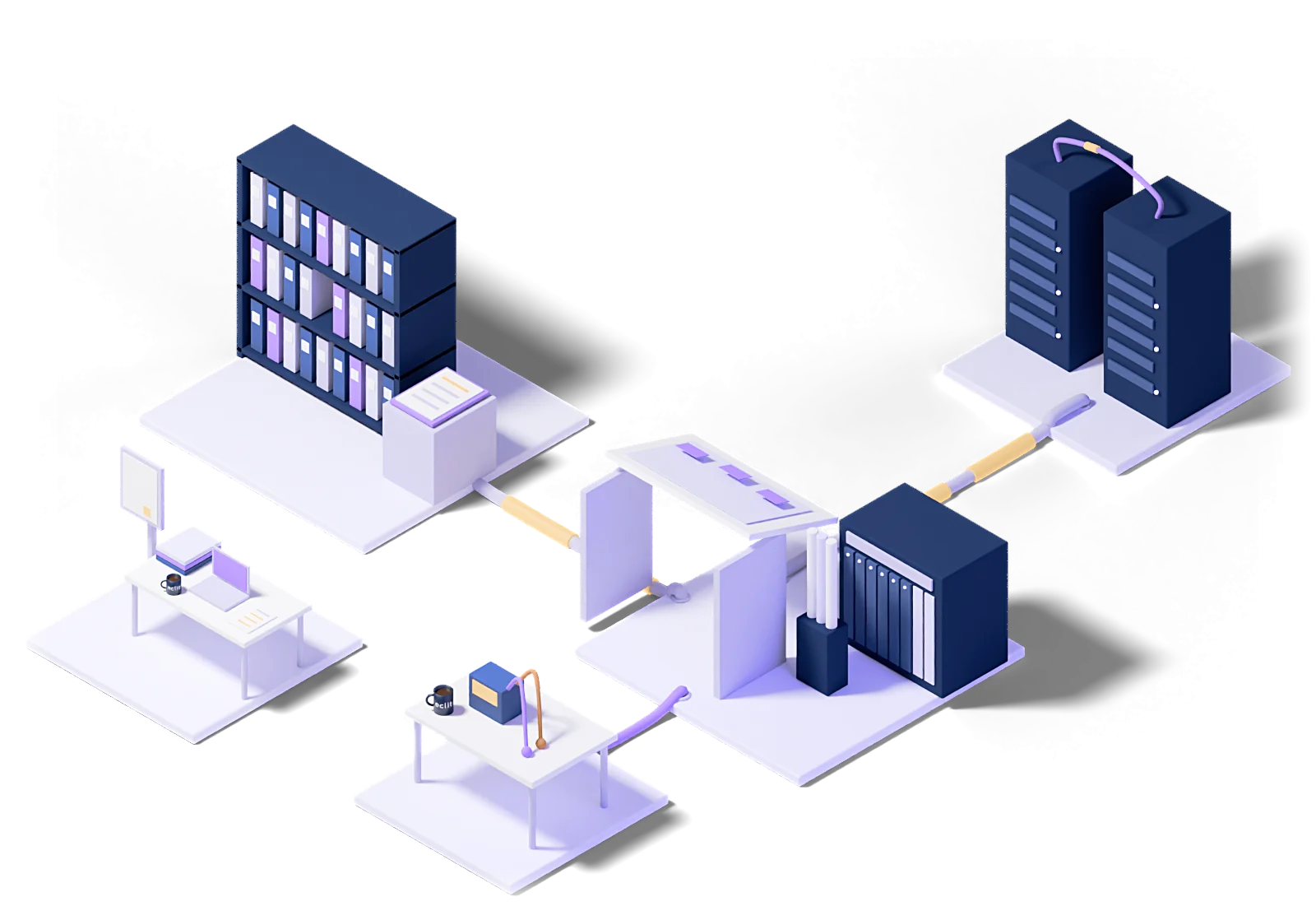
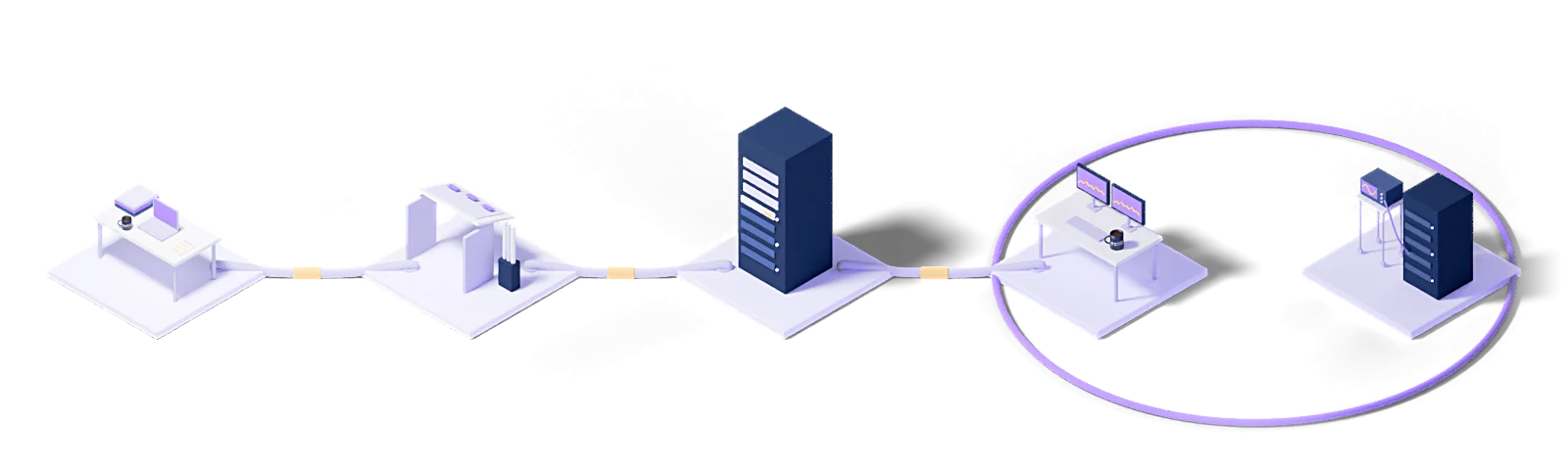
Every engagement follows the same five steps: baseline the current state, design the target model, roll out in stages, operate it, and improve against measurements.
Assess
Baseline the current state, name the gaps and put the success criteria in writing.
Design
Architect the target operating model and the toolchain it needs.
Deploy
Implement, configure and validate in a staged rollout.
Operate
24/7 management with contracted response times and proactive monitoring.
Improve
Continuous improvement driven by metrics, incidents and changes in the business.
Every engagement runs under a written SLA: a commitment, not a best-effort promise.
Dedicated engineers who know your stack. No generalist help-desk tier in between.
Service reviews every two weeks, roadmap updates every quarter.
The technologies we run this on
Knowledge Hub
What we have written about running and managing technology, collected in one place.
Disaster Recovery Strategy for Enterprises: Zerto, Veeam and the RPO/RTO Decision
7 min readHow to Calculate RPO and RTO Without Guessing
4 min readVMware Licensing Changed: Should We Move to Proxmox?
5 min readBusiness Continuity When Third-Party Outages Are the New Normal
7 min read01What does an architecture engagement actually deliver?
A current-state map, a target architecture, the gaps between them, a transition roadmap and decision records. The last is the most valuable: if the reasoning behind a decision is not written down, two years later nobody remembers it and the decision gets relitigated.
02Will we have to rebuild our existing systems?
Usually not. A good architecture engagement also says what stays. Replacing a system that works and whose cost is acceptable needs an architectural reason; a fashionable technology is not one.
03Do you recommend a particular vendor's solution?
No. We base recommendations on explicit criteria and present the alternatives side by side. If we have a partnership with a vendor, we disclose it: a hidden relationship invalidates the recommendation.
04How far ahead does the roadmap reach?
Usually twelve to twenty-four months, split into three waves. Longer plans are not realistic given the pace of technology; we build in a reassessment at the end of each wave.
05Do you support the implementation phase too?
Yes, if you want us to. Keeping the team that designed the architecture involved during implementation lowers the risk that the design stays on paper. Another team can also implement it; in that case we hand over the decisions and the reasoning behind them.
Let's work out where to start
Within two weeks you get it in writing: what works, what carries risk, and a prioritized roadmap.
Request a conversation