Patch & Vulnerability Management (SecurePatch)
Unpatched vulnerabilities are the number one entry vector for breaches. SecurePatch is a fully managed, risk-based vulnerability management service: we automate scanning, prioritize fixes using real-world threat intelligence and patch systematically across your entire infrastructure without disrupting operations.
What we deliver
Automated authenticated and unauthenticated internal and external scans using industry-leading engines. We maintain a live, continuous inventory of all software and OS-level vulnerabilities across your fleet.
We look beyond CVSS scores, weighing each vulnerability against real-world exposure, exploit availability and the criticality of the affected asset to prioritize the patches that actually reduce your risk.
Scheduled and policy-driven patching for Windows, Linux, and third-party applications. We manage the full lifecycle: staging, validation, rollout, and post-patch reboot management.
A dedicated fast-track process for zero-day vulnerabilities. When a 'Log4j-level' event happens, our team executes pre-approved emergency response procedures to mitigate risk in hours, not weeks.
Detailed reporting and audit trails aligned to PCI-DSS, ISO 27001, and SOC 2 requirements. We provide the historical data and visibility IT auditors ask for.
Beyond patching, we evaluate vulnerabilities against CIS Benchmarks to recommend and apply configuration hardening changes that mitigate threats a patch alone cannot fix.
How it works
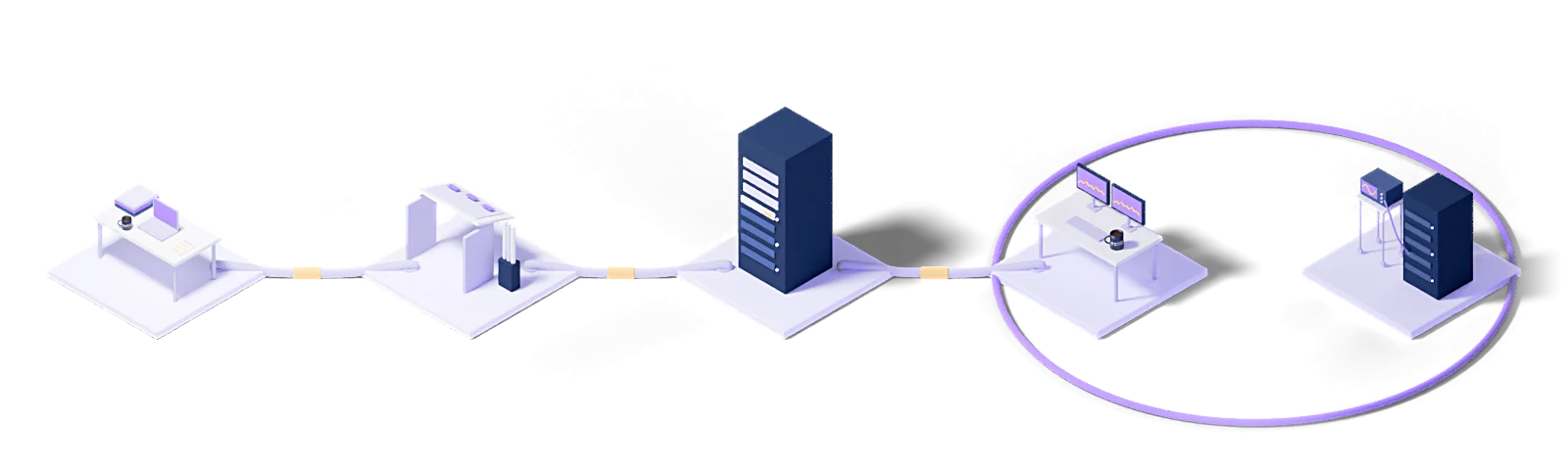
Every engagement follows the same five steps: baseline the current state, design the target model, roll out in stages, operate it, and improve against measurements.
Assess
Baseline the current state, name the gaps and put the success criteria in writing.
Design
Architect the target operating model and the toolchain it needs.
Deploy
Implement, configure and validate in a staged rollout.
Operate
24/7 management with contracted response times and proactive monitoring.
Improve
Continuous improvement driven by metrics, incidents and changes in the business.
Every engagement runs under a written SLA: a commitment, not a best-effort promise.
Dedicated engineers who know your stack. No generalist help-desk tier in between.
Service reviews every two weeks, roadmap updates every quarter.
The technologies we run this on
Knowledge Hub
What we have written about running and managing technology, collected in one place.
PHP2Shell: A 5-Step Checklist for the Critical PHP Vulnerabilities
8 min readWhat Is Patch Management? Patches vs Updates vs Upgrades
7 min readDoes Türkiye's Cybersecurity Law Apply to You? The 15 Critical Infrastructure Sectors
5 min readRansomware Recovery Playbook: Immutable Backups and Journal Rewind
4 min readHow Long ISO 27001 Certification Actually Takes
5 min readWhat Is Malware? Types, Trojans and Protection
9 min readWhat Is SQL Injection (SQLi)? Types and How to Prevent It
10 min read01Are vulnerability scanning and patch management the same thing?
No. Scanning tells you what is open; patch management closes it. Organizations that only scan typically have hundreds of findings listed but never fixed. Security comes from closing them.
02Which vulnerability should we start with?
Not by CVSS score alone. We weigh together whether the system is internet-facing, whether it holds sensitive data and whether working exploit code is circulating. A high-scoring but unreachable vulnerability is less urgent than a medium-scoring one under active exploitation.
03What do we do about systems that cannot be patched?
Compensating controls: network segmentation, virtual patching, access restriction and extra monitoring. An unpatchable system is documented as such, and someone takes ownership of its risk in writing instead of ignoring it.
04Does scanning affect production?
Authenticated, rate-limited scanning runs safely in production. Even so, we run the first scan in a maintenance window and define a separate profile for sensitive systems; aggressive scanning really can break fragile legacy systems.
05Can you produce reports for a compliance audit?
Yes, in the formats ISO 27001, PCI-DSS and KVKK audits ask for: vulnerability inventory, severity distribution, closure times and accepted risks.
Let's work out where to start
Within two weeks you get it in writing: what works, what carries risk, and a prioritized roadmap.
Request a conversation