System Hardening & Baseline Enforcement
Hardening servers, operating systems and middleware against a known security baseline, then monitoring for drift away from it. CIS Benchmarks and vendor hardening guides are the reference.
What we deliver
CIS Benchmark levels (Level 1 for compliance, Level 2 for high security) are selected according to each system's role. A web server and a database server do not have the same acceptable configuration.
Hardening is part of the image, not a job done after installation. Configuration defined as code, with Ansible or equivalent, guarantees the same baseline on every new server.
A hardened system decays: an emergency fix, a manual change, a test that was never rolled back. Periodic scanning finds the drift and corrects it.
We remove unused services and default accounts, close unneeded ports and disable legacy protocols (SMBv1, TLS 1.0). Shrinking the attack surface beats adding defenses to it.
ISO 27001 A.8 and the PCI-DSS configuration requirements ask for hardening evidence. Scan reports and exception records are kept in the form an auditor expects.
Not every system can meet every rule; a legacy application may require a weak cipher suite. Such exceptions are allowed, but each one is recorded with its justification, offset by a compensating control and given an expiry date.
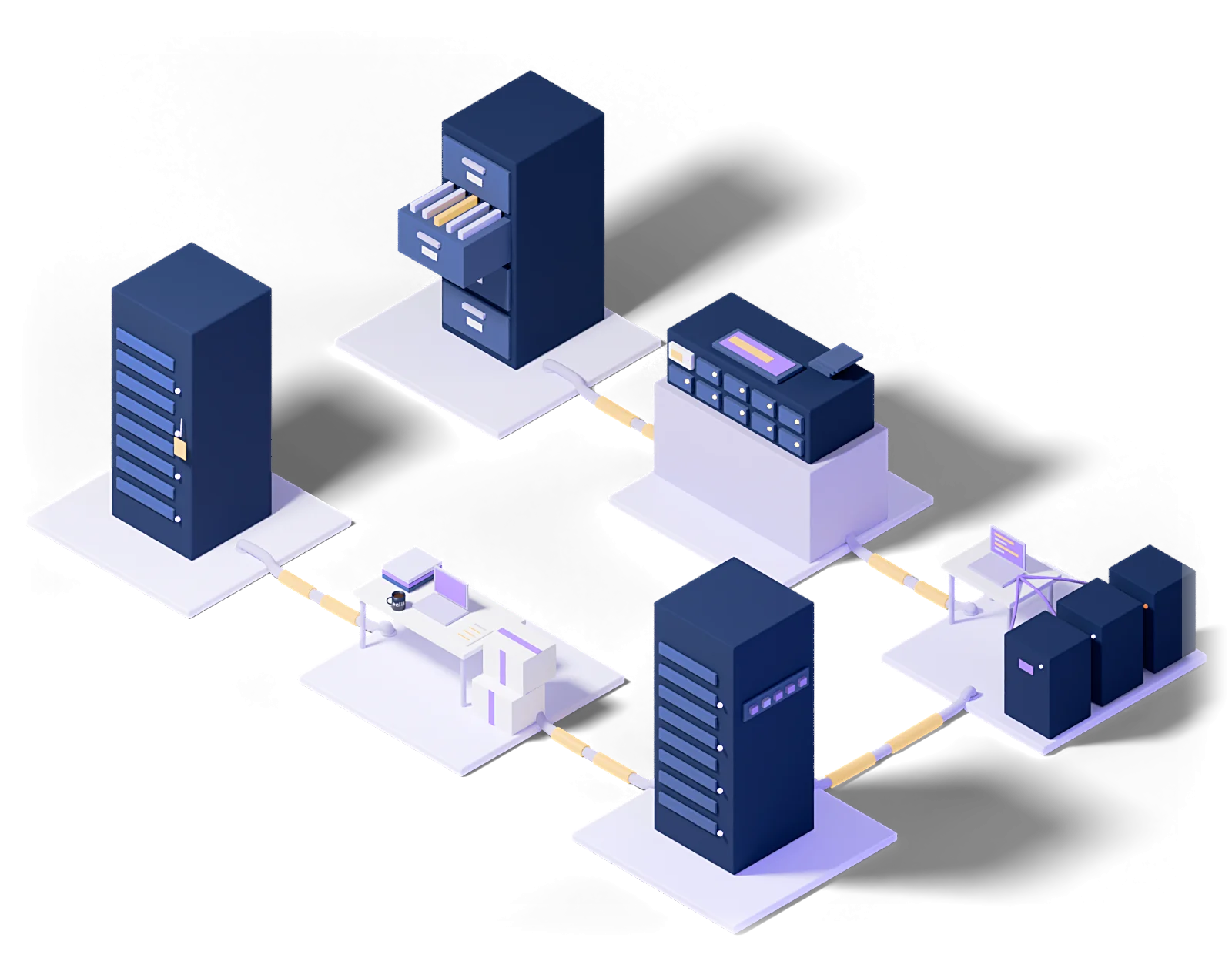
How it works
Every engagement follows the same five steps: baseline the current state, design the target model, roll out in stages, operate it, and improve against measurements.
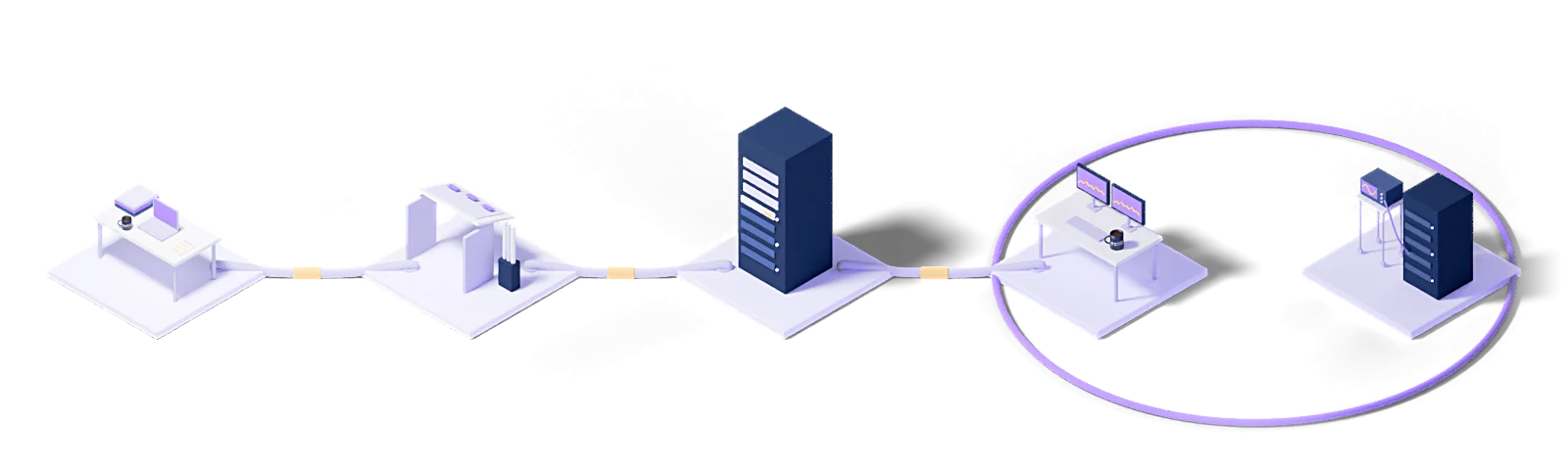
Assess
Baseline the current state, name the gaps and put the success criteria in writing.
Design
Architect the target operating model and the toolchain it needs.
Deploy
Implement, configure and validate in a staged rollout.
Operate
24/7 management with contracted response times and proactive monitoring.
Improve
Continuous improvement driven by metrics, incidents and changes in the business.
Every engagement runs under a written SLA: a commitment, not a best-effort promise.
Dedicated engineers who know your stack. No generalist help-desk tier in between.
Service reviews every two weeks, roadmap updates every quarter.
Knowledge Hub
What we have written about running and managing technology, collected in one place.
PHP2Shell: A 5-Step Checklist for the Critical PHP Vulnerabilities
8 min readWhat Is a Port? Port Numbers and Port Security
7 min readDoes Türkiye's Cybersecurity Law Apply to You? The 15 Critical Infrastructure Sectors
5 min readHow Long ISO 27001 Certification Actually Takes
5 min readRansomware Recovery Playbook: Immutable Backups and Journal Rewind
4 min readWhat Is a Firewall? Types, NGFW and DMZ Explained
9 min readWhat Is an SSL Certificate? SSL vs TLS vs HTTPS
11 min readWhat Is a Web Server? NGINX, Apache and IIS Explained
9 min read01Which standard do you harden against?
CIS Benchmarks and the vendor's own security guides. Controls are not applied blindly; any that would break an application in your environment are tested first, and where needed an exception is recorded with its justification.
02Will hardening break our applications?
It can, which is why it goes through a test environment first. The most common clashes are disabled legacy encryption protocols, restricted service accounts and tightened file permissions. These are found up front, so production holds no surprises.
03How do you keep settings from drifting over time?
Through regular drift scanning. A change made by hand is reported in the next scan. Hardening is not a one-time project; a baseline nobody scans erodes within months.
04Can you measure how many of our current servers are compliant?
Yes. The first scan produces a compliance percentage per control and lists gaps by severity. That first measurement also becomes the baseline for tracking progress.
05Do you produce evidence for audits?
Yes: the applied control list, exceptions with justifications, scan results and the compliance curve over time. Auditors usually care less about the compliance percentage than about how drift is detected.
Let's work out where to start
Within two weeks you get it in writing: what works, what carries risk, and a prioritized roadmap.
Request a conversation