Vulnerability Scan
Continuous vulnerability scanning across your entire environment: internal, external, cloud and application. CVSS-prioritized findings, remediation tracking and PCI-DSS ASV scanning managed end to end.
What we deliver
Full scanning of your external attack surface and internal network, identifying vulnerabilities in systems, applications, configurations and exposed services.
Every vulnerability scored and prioritized using CVSS alongside contextual factors (exploitability, asset criticality, exposure), so your team focuses on real risk instead of noise.
Continuous scanning replaces point-in-time scans, so new vulnerabilities in your environment are identified within hours of disclosure instead of months later.
Track every vulnerability to closure with structured remediation workflows, plus optional engineering support to implement fixes, patches and configuration changes.
Quarterly external scans by an Approved Scanning Vendor (ASV) for PCI-DSS compliance, with compliant reports, remediation support and evidence retention for your QSA or compliance program.
Board- and executive-level reporting on your vulnerability posture: trends, key risk metrics and closure rates, presented in business language.
How it works
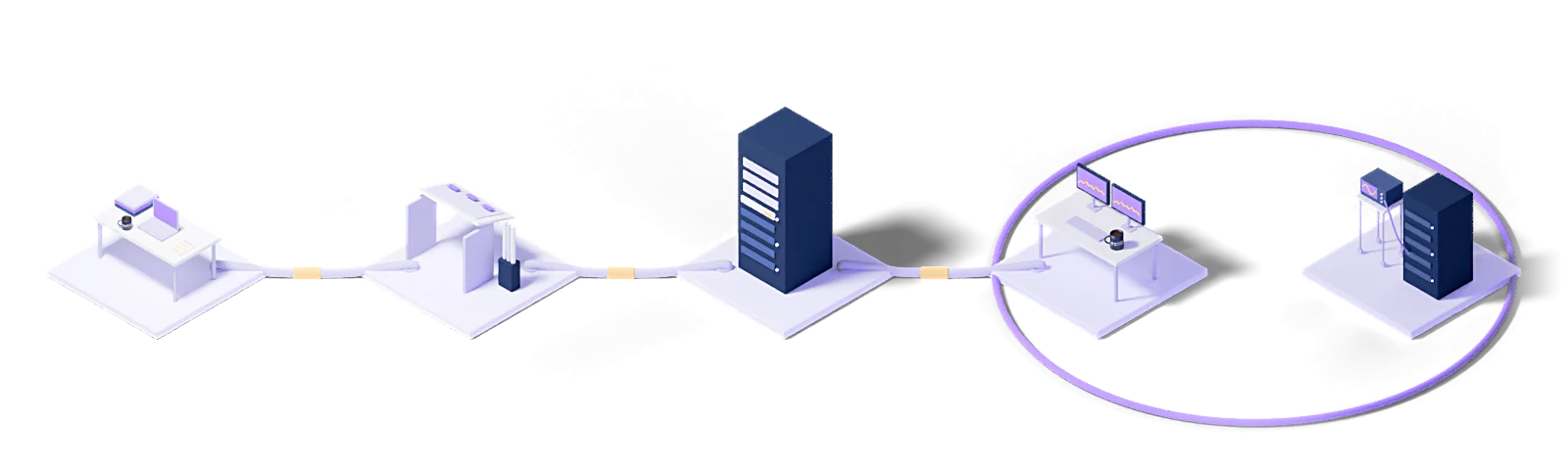
Every engagement follows the same five steps: baseline the current state, design the target model, roll out in stages, operate it, and improve against measurements.
Assess
Baseline the current state, name the gaps and put the success criteria in writing.
Design
Architect the target operating model and the toolchain it needs.
Deploy
Implement, configure and validate in a staged rollout.
Operate
24/7 management with contracted response times and proactive monitoring.
Improve
Continuous improvement driven by metrics, incidents and changes in the business.
Every engagement runs under a written SLA: a commitment, not a best-effort promise.
Dedicated engineers who know your stack. No generalist help-desk tier in between.
Service reviews every two weeks, roadmap updates every quarter.
The concepts behind this service
- Penetration testing
- Controlled testing of a system's weaknesses using a real attacker's methods.
This section explains the technical terms used on this page. The definitions come from Eclit's own technology glossary, and each term links through to its full entry there.
The full technology glossary →Knowledge Hub
What we have written about running and managing technology, collected in one place.
What Is Penetration Testing (Pentest)? Types and Phases
9 min readWhat Is an Exploit? Zero-Days, Exploit Kits and How to Defend
5 min readPHP2Shell: A 5-Step Checklist for the Critical PHP Vulnerabilities
8 min readDoes Türkiye's Cybersecurity Law Apply to You? The 15 Critical Infrastructure Sectors
5 min readRansomware Recovery Playbook: Immutable Backups and Journal Rewind
4 min readHow Long ISO 27001 Certification Actually Takes
5 min readWhat Is a Port? Port Numbers and Port Security
7 min readWhat Is Patch Management? Patches vs Updates vs Upgrades
7 min readWhat Is Cybersecurity? Types, Threats and Core Controls
9 min readWhat Is SQL Injection (SQLi)? Types and How to Prevent It
10 min readWhat Is XSS (Cross-Site Scripting)? Types and Prevention
10 min read01What is the difference between a vulnerability scan and a penetration test?
A scan is automated and continuous: it lists possible weaknesses, ranks them by CVSS and tracks them until they are closed. A penetration test is a separate engagement: with written permission and an agreed scope, it verifies by hand whether weaknesses can actually be exploited. Neither replaces the other; scanning covers the time in between, testing happens at set intervals.
02How often should scanning run?
The usual arrangement is weekly for internet-facing systems and monthly for internal ones. Regulations such as PCI-DSS require a quarterly minimum, but a quarter is a long time for a vulnerability to sit exploitable.
03Why is authenticated scanning better?
Because only a small share of the vulnerabilities present is visible from outside. Authenticated scanning can see installed package versions and configuration; unauthenticated scanning has to infer them, which produces both false positives and false negatives.
04We have hundreds of findings. Where do we start?
Start with context rather than the score. Is the system internet-facing, is exploit code circulating, does it hold sensitive data? Those three questions set the order. A CVSS list without context becomes a list nobody can start on.
05Do you filter out false positives?
Yes, verification is part of the report. An unverified finding list quickly loses the team's trust; once it has wasted their time, later reports go unread too.
06Do you track closure times?
Yes. Each finding's open date, owner and target closure date are tracked, and unclosed ones appear in an aging report. In practice, a closure process nobody measures has already stopped.
Let's work out where to start
Within two weeks you get it in writing: what works, what carries risk, and a prioritized roadmap.
Request a conversation