Gap Analysis
Know precisely where your gaps are, against any framework, standard or compliance requirement. Risk-prioritized findings, an evidence-based remediation roadmap and progress tracking to closure.
What we deliver
Establish a clear, evidence-based picture of your current controls, processes and capabilities, the essential starting point for any meaningful gap analysis.
Compare your current state against your target framework or standard, identifying every gap with severity scoring, control reference and evidence of deficiency.
Not all gaps are equal. Prioritize remediation based on risk exposure, exploitability, compliance impact and remediation cost, focusing resources on what matters most.
A structured, costed remediation roadmap with quick wins, medium-term projects and strategic initiatives, so leadership can see what each item costs before it decides.
Document control gaps with evidence, map them to specific framework requirements and build the evidence pack needed for audit, insurer or regulatory review.
Track remediation progress against the gap analysis findings, with periodic closure reviews to validate that gaps have been genuinely addressed, not just documented.
How it works
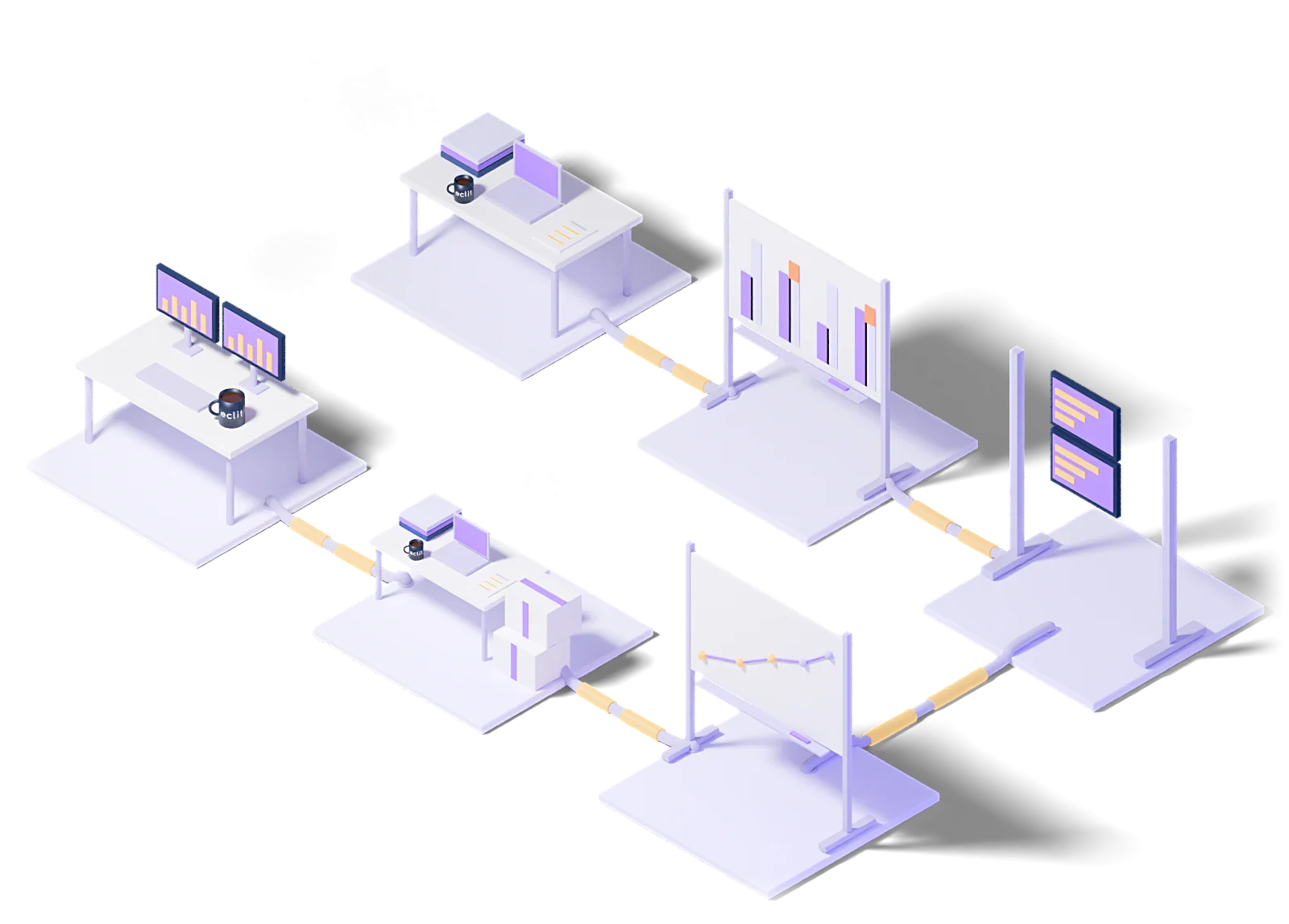
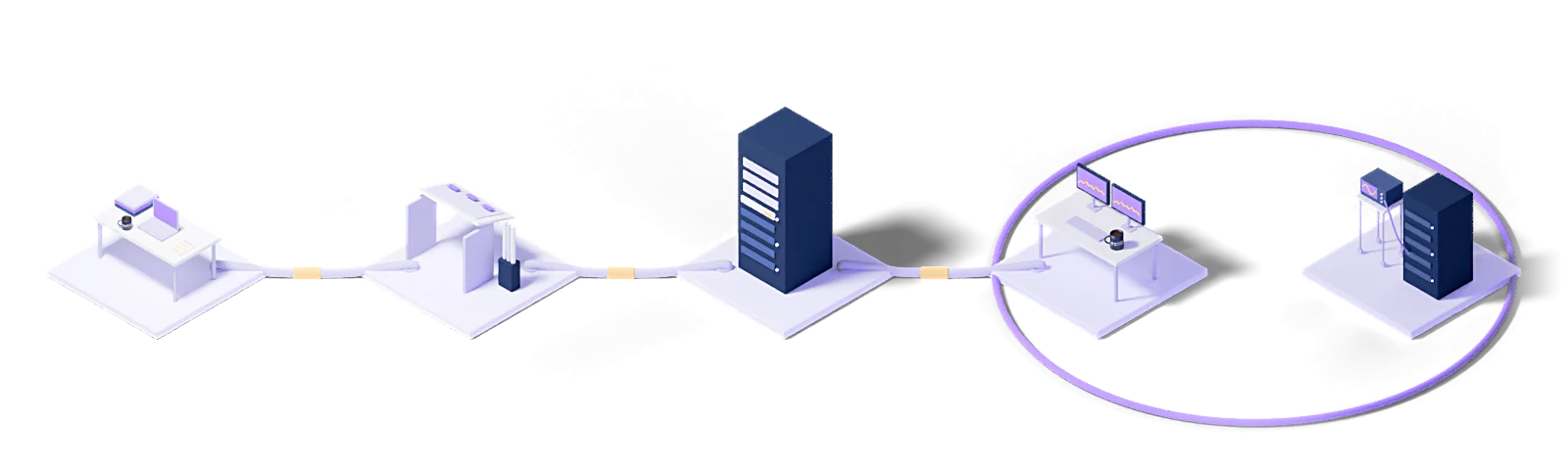
Every engagement follows the same five steps: baseline the current state, design the target model, roll out in stages, operate it, and improve against measurements.
Assess
Baseline the current state, name the gaps and put the success criteria in writing.
Design
Architect the target operating model and the toolchain it needs.
Deploy
Implement, configure and validate in a staged rollout.
Operate
24/7 management with contracted response times and proactive monitoring.
Improve
Continuous improvement driven by metrics, incidents and changes in the business.
Every engagement runs under a written SLA: a commitment, not a best-effort promise.
Dedicated engineers who know your stack. No generalist help-desk tier in between.
Service reviews every two weeks, roadmap updates every quarter.
The concepts behind this service
- Requirements analysis
- Measuring what is actually needed before a project starts.
This section explains the technical terms used on this page. The definitions come from Eclit's own technology glossary, and each term links through to its full entry there.
The full technology glossary →Knowledge Hub
What we have written about running and managing technology, collected in one place.
01Which framework is the gap analysis run against?
It depends on the goal: ISO 27001, PCI-DSS, KVKK, or your own target architecture. No analysis is possible before a framework is chosen, because a gap is always defined against a reference.
02How detailed are the results?
Control by control: for each item, current state, target state, the gap and a closure recommendation. A percentage maturity score is given too, but the item-level list is what actually gets used.
03Do you prioritize findings?
Yes, on two axes: risk magnitude and closure effort. High-risk, low-effort items go into the first wave. Trying to close everything at once ends with nothing closed properly.
04How often should the gap analysis be repeated?
At the end of the closure plan and annually thereafter. Without interim measurement, there is no way to know whether items assumed closed have actually been closed.
05Do you carry out the closure work as well?
We can, but to keep the analysis independent, that is a separate decision. Closure recommendations are also written so they do not require buying services from us.
Let's work out where to start
Within two weeks you get it in writing: what works, what carries risk, and a prioritized roadmap.
Request a conversation