Maintenance Services
Keep your systems patched, under vendor support and running. Our maintenance service covers patching, firmware updates, lifecycle tracking and scheduled upkeep.
What we deliver
Automated, policy-driven patching for OS, middleware and applications across all platforms, with change-controlled deployment windows.
Firmware lifecycle management that closes known vulnerabilities and keeps your hardware covered by vendor support.
End-to-end visibility of hardware and software assets, from procurement to decommissioning, with automated renewal alerts.
Planned maintenance executed outside business hours with pre-approved change controls and full rollback procedures.
Monthly infrastructure health reports covering patch status, warranty coverage, capacity trends and recommendations.
Proactive identification and replacement planning for EOL hardware and software before they become security risks.
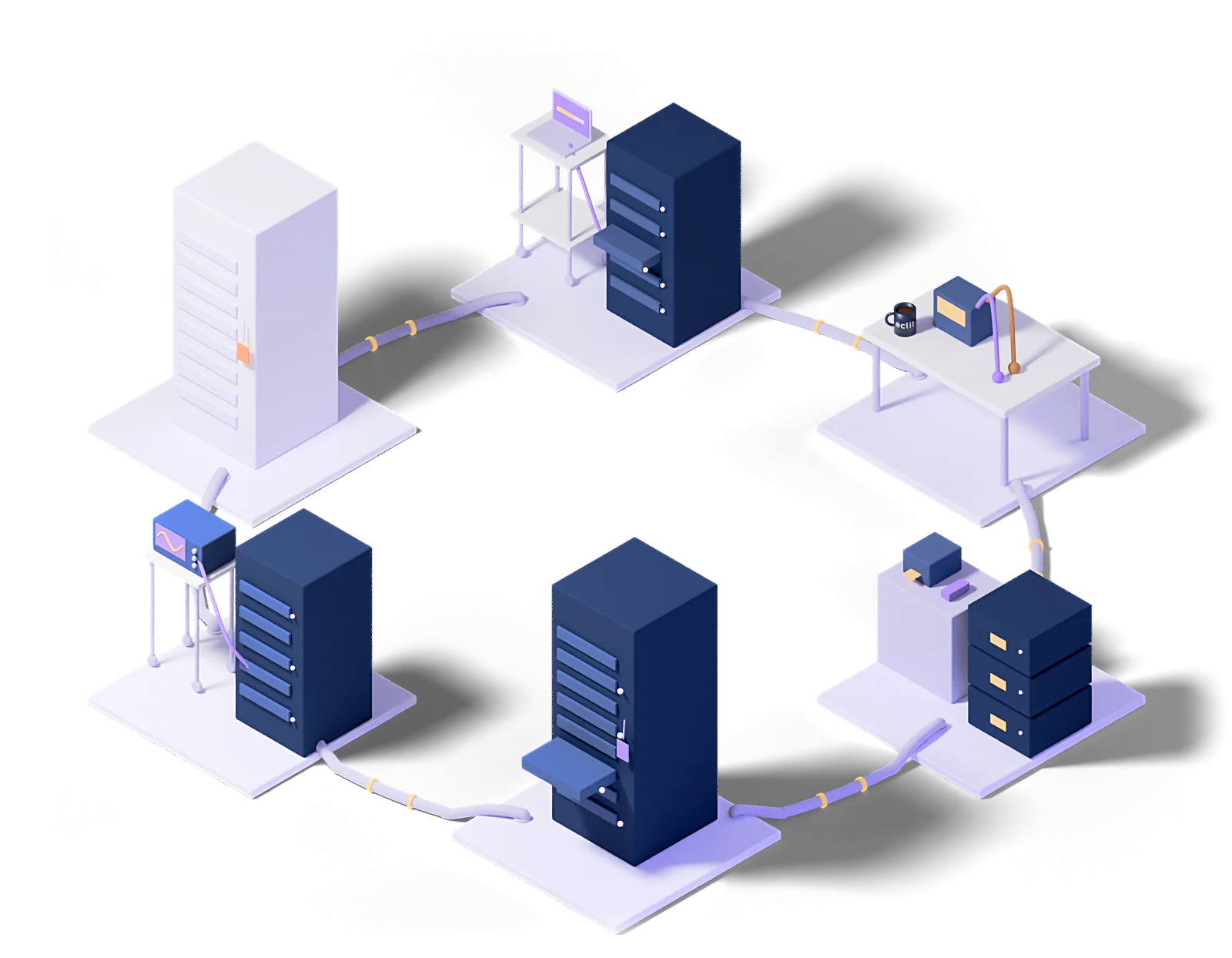
How it works
Every engagement follows the same five steps: baseline the current state, design the target model, roll out in stages, operate it, and improve against measurements.
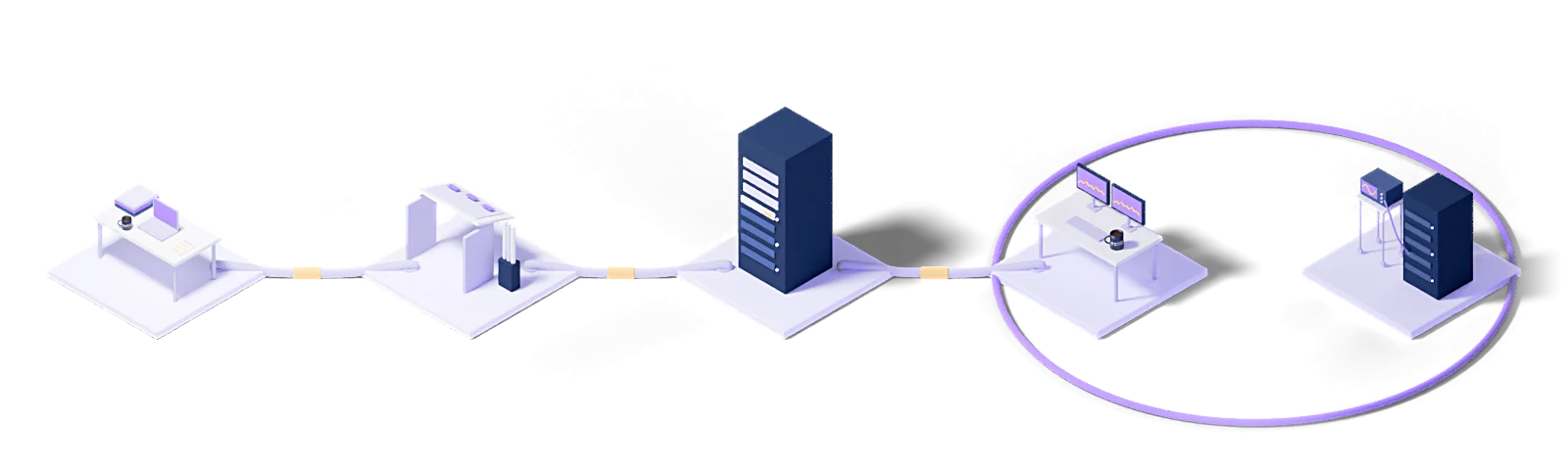
Assess
Baseline the current state, name the gaps and put the success criteria in writing.
Design
Architect the target operating model and the toolchain it needs.
Deploy
Implement, configure and validate in a staged rollout.
Operate
24/7 management with contracted response times and proactive monitoring.
Improve
Continuous improvement driven by metrics, incidents and changes in the business.
Every engagement runs under a written SLA: a commitment, not a best-effort promise.
Dedicated engineers who know your stack. No generalist help-desk tier in between.
Service reviews every two weeks, roadmap updates every quarter.
Knowledge Hub
What we have written about running and managing technology, collected in one place.
01What does a maintenance contract cover?
Scheduled checks, firmware and patch updates, fault response and spare parts supply. Scope is defined by the asset list: a device that is not on the list is not covered, so the contract is only as accurate as the inventory.
02What is the difference between vendor support and your maintenance?
Vendor support is limited to the hardware itself and usually kicks in only when something fails. Ours covers the preventive side as well and consolidates several vendors into one contract: you do not have to decide who to call during a fault.
03What is the response time?
Defined in the contract by severity and location. Remote response starts within minutes; when an engineer needs to be on site, the time depends on location and is specified separately.
04Do you maintain out-of-warranty hardware?
Yes, but a risk assessment comes first: spare parts availability, failure history and how critical the system is. Maintaining hardware whose parts cannot be sourced only delays the outage.
05What is in the maintenance report?
Checks performed, findings, updates applied, faults opened and closed, and recommended actions. Recommendations are ranked by importance; you are not expected to act on all of them at once.
Let's work out where to start
Within two weeks you get it in writing: what works, what carries risk, and a prioritized roadmap.
Request a conversation