IT Workforce Augmentation (Outsourcing)
Engineers who work alongside your team in defined specialties, with the role definition, handover plan and knowledge transfer written into the contract.
What we deliver
Engineers provided for a defined role across systems, network, database, cloud and security, with scope and expected outputs agreed in writing up front.
Full-time, part-time or project-length engagements. When the need is seasonal, paying for seasonal capacity makes more sense than adding permanent headcount.
We agree in advance how handover works if your engineer is replaced, so the risk of being left with nobody who knows your environment is covered by a plan.
Work documented and transferred to the in-house team. The aim is to leave capability behind, not to create dependency.
Alignment to your existing processes, tooling and on-call rotation. The external engineer works as part of your operation.
Regular reporting of work done, open items and progress, so you can judge performance on output rather than impressions.
How it works
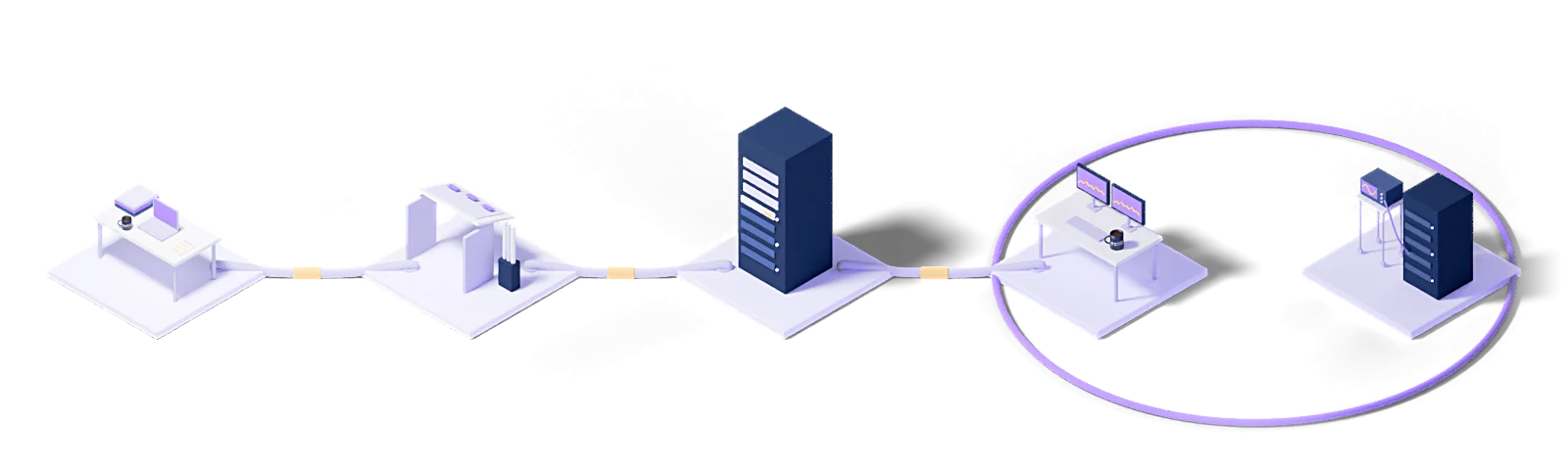
Every engagement follows the same five steps: baseline the current state, design the target model, roll out in stages, operate it, and improve against measurements.
Assess
Baseline the current state, name the gaps and put the success criteria in writing.
Design
Architect the target operating model and the toolchain it needs.
Deploy
Implement, configure and validate in a staged rollout.
Operate
24/7 management with contracted response times and proactive monitoring.
Improve
Continuous improvement driven by metrics, incidents and changes in the business.
Every engagement runs under a written SLA: a commitment, not a best-effort promise.
Dedicated engineers who know your stack. No generalist help-desk tier in between.
Service reviews every two weeks, roadmap updates every quarter.
Knowledge Hub
What we have written about running and managing technology, collected in one place.
01Is this contract staffing or a managed service?
A model between the two. The engineer works with your team on your priorities, backed by Eclit's knowledge base, second-line support and a stand-in during leave or illness. That backing is what removes the dependency on a single person.
02What happens if the engineer takes leave or resigns?
We assign a replacement, and handover runs on the runbooks we keep up to date. Knowledge that lives in one person's head is already a risk; this model exists to remove it.
03Which specialties do you cover?
Systems and infrastructure, network, database, cloud, security operations and service desk. The level required (first, second or third line) is defined separately in the scope of work.
04On site or remote?
Both are possible; a hybrid model is the most common. The reason to be on site is usually physical hardware and user contact; the rest of the work runs more efficiently remotely.
05Is there a minimum commitment?
Usually a three-month minimum, because the first week is spent learning the environment and anything shorter is inefficient for both sides. After that, duration and scope can flex.
Let's work out where to start
Within two weeks you get it in writing: what works, what carries risk, and a prioritized roadmap.
Request a conversation