Hardware & Infrastructure Lifecycle Management
End-to-end hardware lifecycle management: inventory, warranty tracking, fault response, refresh planning, and data destruction at decommissioning.
What we deliver
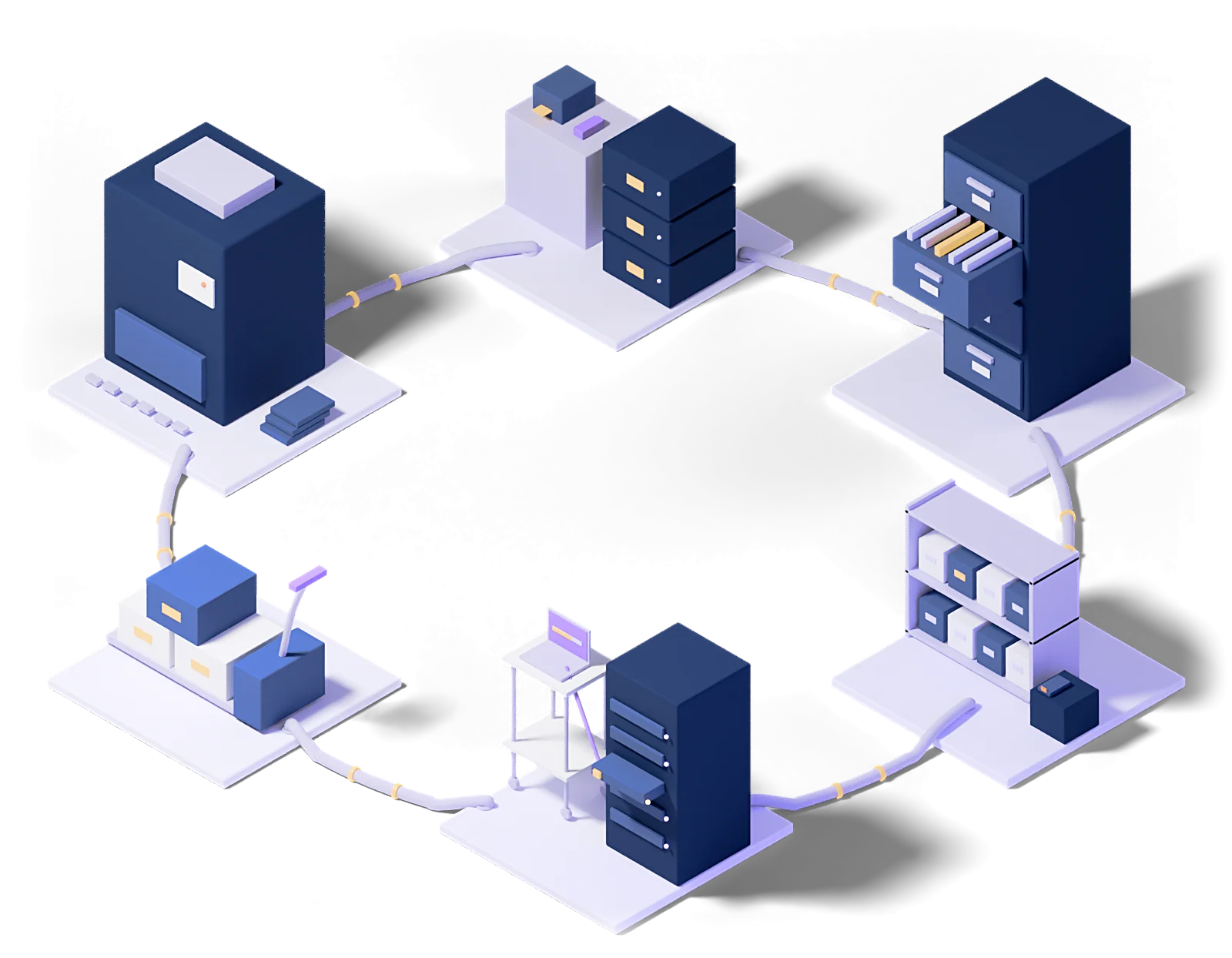
All hardware recorded with model, serial number, location, owning team and warranty status. An estate without an inventory has no capacity plan either.
Vendor support end dates tracked, renewal decisions taken before expiry, and hardware only left unsupported by a deliberate choice.
Coordination with the vendor's support process when hardware fails, a known source for spare parts, and an on-site spares strategy for critical components.
Firmware versions tracked across server, storage and network hardware, with security updates applied under change control.
A refresh calendar built from age, performance and support status, so investment decisions happen on schedule rather than during an outage.
Data destruction performed to standard on retired hardware and the destruction recorded. That record is what an audit asks for.
How it works
Every engagement follows the same five steps: baseline the current state, design the target model, roll out in stages, operate it, and improve against measurements.
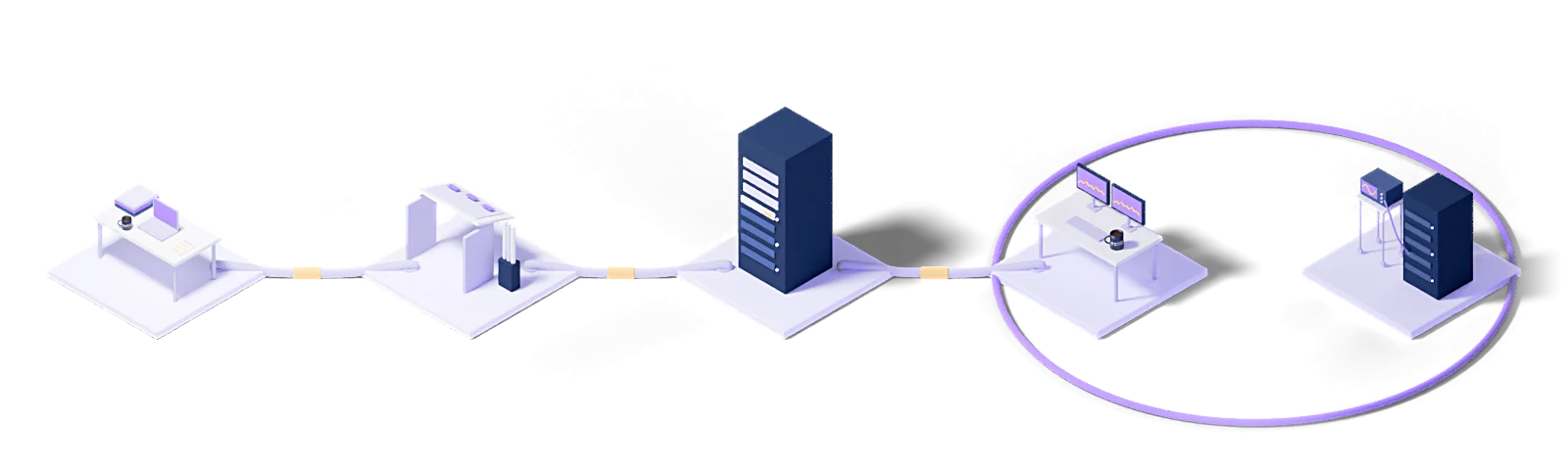
Assess
Baseline the current state, name the gaps and put the success criteria in writing.
Design
Architect the target operating model and the toolchain it needs.
Deploy
Implement, configure and validate in a staged rollout.
Operate
24/7 management with contracted response times and proactive monitoring.
Improve
Continuous improvement driven by metrics, incidents and changes in the business.
Every engagement runs under a written SLA: a commitment, not a best-effort promise.
Dedicated engineers who know your stack. No generalist help-desk tier in between.
Service reviews every two weeks, roadmap updates every quarter.
The concepts behind this service
- Hardware
- The physical components of a computing system: servers, storage, network devices, end-user devices.
This section explains the technical terms used on this page. The definitions come from Eclit's own technology glossary, and each term links through to its full entry there.
The full technology glossary →Knowledge Hub
What we have written about running and managing technology, collected in one place.
AI Infrastructure: Should You Buy GPUs or Rent Them?
5 min readVMware Licensing Changed: Should We Move to Proxmox?
5 min readDisaster Recovery Strategy for Enterprises: Zerto, Veeam and the RPO/RTO Decision
7 min readWhat Is a GPU? GPU vs CPU and the Role of GPUs in AI
7 min read01How do you decide when hardware should be refreshed?
We read three things together: the vendor end-of-support date, the failure frequency curve, and the ratio of maintenance cost to replacement cost. Age alone is not the measure: a five-year-old server running cleanly can carry less risk than a three-year-old one that keeps failing.
02Do you track warranty and support contracts?
Yes. Every asset's warranty end date and support level are held in the inventory, and an alert goes out before expiry so there is time to decide whether to renew or replace. A fault on an out-of-warranty server means an outage measured in parts lead time.
03Should we hold spare parts?
For critical systems usually yes, but not for everything. It depends on the part's lead time and how long that system can acceptably be down. Where lead time exceeds the accepted outage, stock is needed.
04What happens to the data on decommissioned equipment?
Certified destruction: disk erasure or physical destruction, with a certificate per asset. That certificate is a record a KVKK audit can ask for.
05Who maintains the asset inventory, us or you?
We maintain it and you have access. Serial number, location, warranty status, the service it carries and its owner: an inventory only does its job when those five fields are filled in.
Let's work out where to start
Within two weeks you get it in writing: what works, what carries risk, and a prioritized roadmap.
Request a conversation