Application & Database Modernization
Modernization of legacy application and database estates. Dependency analysis, target architecture selection, phased migration, and a rollback path kept open at every step.
What we deliver
Application and database inventory, version status, end-of-support dates and a measure of technical debt. The modernization decision is based on this picture.
Inter-application calls, shared databases and undocumented integrations surfaced. An unseen dependency becomes an outage during migration.
Rehost, replatform and re-architect evaluated per workload. No single route is right for every application.
For moves such as Oracle to PostgreSQL: schema conversion, stored procedure analysis, data transfer and verification planned as distinct steps.
A staged plan starting with non-critical workloads, keeping parallel running and a rollback option available at each stage.
Performance comparison, data integrity checks and acceptance criteria met by measurement. A migration ends when it is verified, not when the new system goes live.
How it works
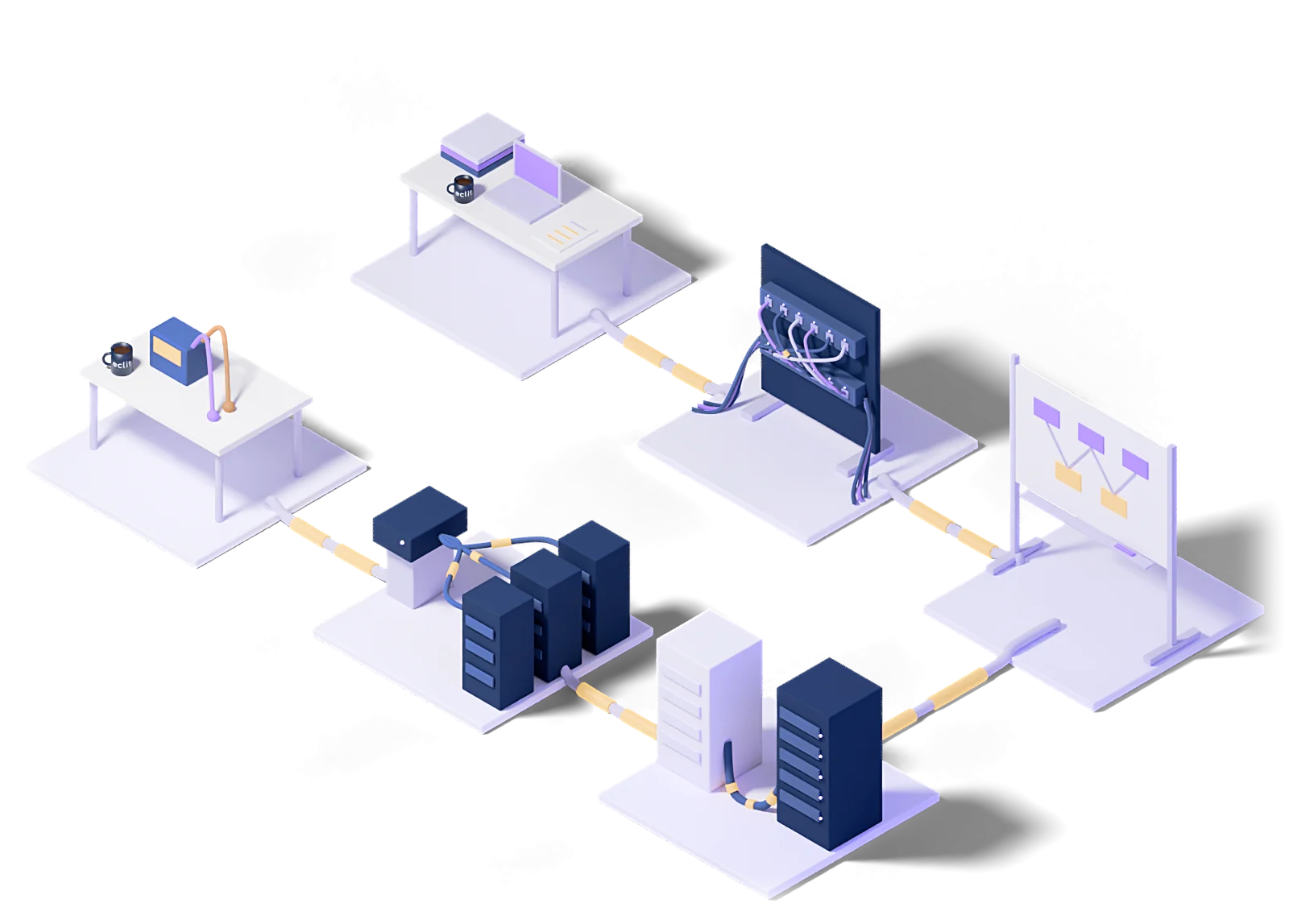
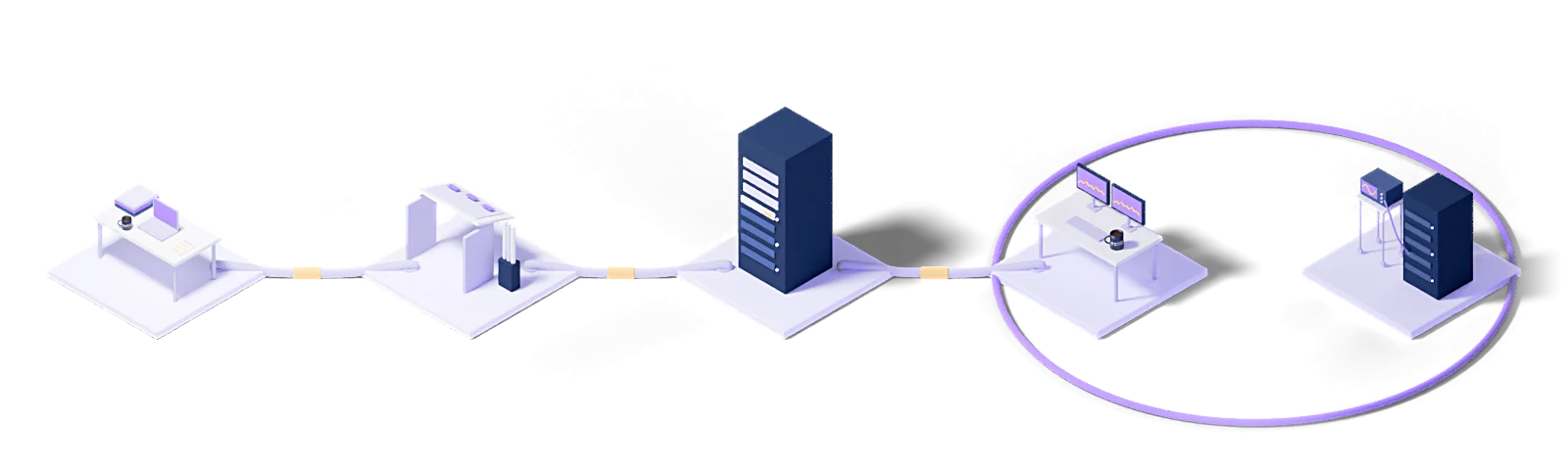
Every engagement follows the same five steps: baseline the current state, design the target model, roll out in stages, operate it, and improve against measurements.
Assess
Baseline the current state, name the gaps and put the success criteria in writing.
Design
Architect the target operating model and the toolchain it needs.
Deploy
Implement, configure and validate in a staged rollout.
Operate
24/7 management with contracted response times and proactive monitoring.
Improve
Continuous improvement driven by metrics, incidents and changes in the business.
Every engagement runs under a written SLA: a commitment, not a best-effort promise.
Dedicated engineers who know your stack. No generalist help-desk tier in between.
Service reviews every two weeks, roadmap updates every quarter.
Knowledge Hub
What we have written about running and managing technology, collected in one place.
PostgreSQL or MongoDB? The Answer Depends on Access Patterns, Not Data Shape
4 min readVMware Licensing Changed: Should We Move to Proxmox?
5 min readReliability Friday 01: How to Measure PostgreSQL Replication Lag
4 min readWhat Is SQL? SQL Commands, MySQL and SQL Server Explained
9 min readWhat Is PostgreSQL? Features, Versions and MySQL Differences
10 min readWhat Is NoSQL? Redis, MongoDB and SQL vs NoSQL
10 min read01Should we modernize our legacy application or replace it?
The decision rests on three measurements: annual maintenance cost, how fast changes can be made, and how specific it is to your business processes. Where an off-the-shelf option exists, replacing is usually cheaper; where the application is unique and embedded in your processes, modernizing carries less risk.
02Does the system keep running during modernization?
Yes, with a phased approach. New components are placed alongside the old, traffic is shifted piece by piece, and a rollback path stays in place at each step. The big-bang approach, replacing everything overnight, rarely succeeds at this scale.
03How do you manage the risk of data loss in a database migration?
A dual-write period, continuous comparison and integrity verification before cutover. Cutover does not happen until the numbers match; if they do not, we find and fix the difference.
04We do not have the source code. Can the application still be modernized?
Partly. Without the source code, we work out the application's behavior by observing it and build a new layer around it, extracting the data and documenting the interfaces. In the long run, though, an application without source code has to be replaced rather than migrated.
05How long does the project take?
Months to a year, depending on the application's size and dependencies. The first deliverable comes earlier: assessment and roadmap typically in four to six weeks, then delivery in waves.
Let's work out where to start
Within two weeks you get it in writing: what works, what carries risk, and a prioritized roadmap.
Request a conversation