Open Source Consulting
Open source consulting: technology selection, production readiness assessment, license compliance, and a support model built for enterprise requirements.
What we deliver
Comparison across open source options on maturity, community size, release cadence and long-term sustainability rather than on popularity.
We assess whether a project is ready for production: redundancy support, security history, upgrade path and operational requirements.
We identify the license of every component you use and assess it for corporate use. License risk is usually noticed late.
The right balance between community support, commercial support and in-house capability, with the support owner for each critical component agreed in advance.
Open source components adapted to the enterprise environment: identity integration, audit logging, hardening and backup integration.
We build in-house skills in the chosen technology. The cost advantage of open source only materializes with a team that can run it.
How it works
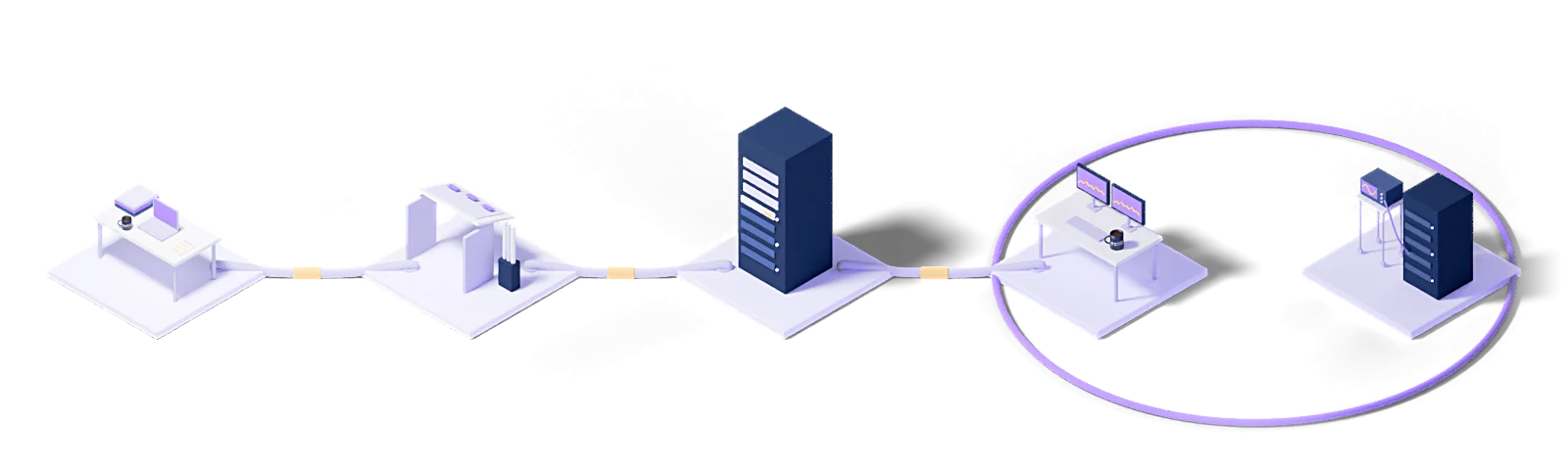
Every engagement follows the same five steps: baseline the current state, design the target model, roll out in stages, operate it, and improve against measurements.
Assess
Baseline the current state, name the gaps and put the success criteria in writing.
Design
Architect the target operating model and the toolchain it needs.
Deploy
Implement, configure and validate in a staged rollout.
Operate
24/7 management with contracted response times and proactive monitoring.
Improve
Continuous improvement driven by metrics, incidents and changes in the business.
Every engagement runs under a written SLA: a commitment, not a best-effort promise.
Dedicated engineers who know your stack. No generalist help-desk tier in between.
Service reviews every two weeks, roadmap updates every quarter.
Knowledge Hub
What we have written about running and managing technology, collected in one place.
01Does moving to open source really save money?
License costs go down, but operating and expertise costs can rise. The net saving depends on whether your team can run the technology or you buy in the operation. Do not decide on a migration without calculating the total cost of ownership.
02Is there a risk of having no support?
You can buy commercial support for most mature open-source projects. The bigger risk is the project's sustainability, so we assess contributor diversity, release cadence and the organization behind it. A component maintained by one person is riskier than a licensed product.
03Does license compliance concern us?
Very much, if you build products. The GPL family creates obligations when you distribute your code; MIT and Apache are far more permissive. We produce a license inventory of the components you use and flag the risky ones.
04In which areas is open source mature?
Databases, virtualization, container platforms, monitoring and identity management. In these, open-source options compete with commercial products. In some niches a mature equivalent still does not exist, and saying so is part of the advice.
05How is a migration planned?
Start with a pilot workload, measure, then roll out in stages. Moving the whole estate at once ignores the team's learning curve and creates pressure to revert at the first problem.
Let's work out where to start
Within two weeks you get it in writing: what works, what carries risk, and a prioritized roadmap.
Request a conversation