Digital Transformation
End-to-end digital transformation, from strategy and roadmap through legacy modernization, process digitization and change management. Success is measured in business outcomes.
What we deliver
Define a clear, practical, phased digital transformation roadmap aligned to your business objectives, technology capabilities and organizational readiness.
Digital transformation fails without adoption. We design and execute structured change programs that bring people with you, from executive sponsorship to end-user enablement.
Assess, rationalize and modernize legacy systems, replacing outdated technology with modern, scalable platforms without disrupting the business operations that depend on them.
Redesign how your organization works, restructuring teams, processes and governance around the new technology so the business value lasts.
Replace paper-based and manual processes with digital workflows, from document management and approvals to automated notifications and audit trails.
Define KPIs and track transformation progress against business outcomes, so you can see the return on your investment in numbers and correct course along the way.
How it works
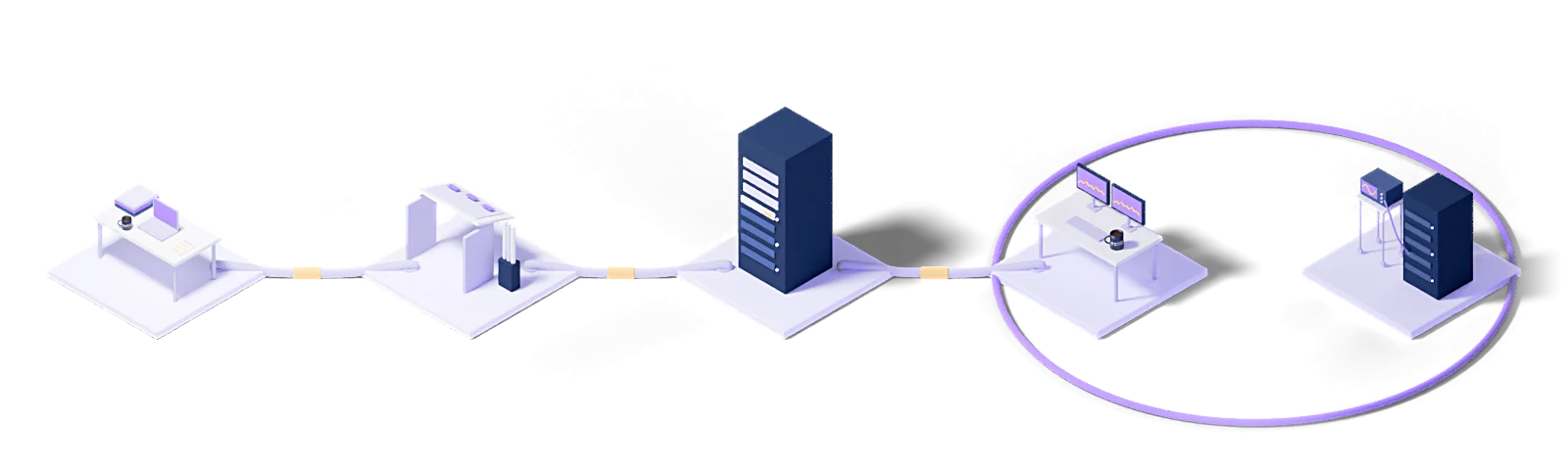
Every engagement follows the same five steps: baseline the current state, design the target model, roll out in stages, operate it, and improve against measurements.
Assess
Baseline the current state, name the gaps and put the success criteria in writing.
Design
Architect the target operating model and the toolchain it needs.
Deploy
Implement, configure and validate in a staged rollout.
Operate
24/7 management with contracted response times and proactive monitoring.
Improve
Continuous improvement driven by metrics, incidents and changes in the business.
Every engagement runs under a written SLA: a commitment, not a best-effort promise.
Dedicated engineers who know your stack. No generalist help-desk tier in between.
Service reviews every two weeks, roadmap updates every quarter.
Knowledge Hub
What we have written about running and managing technology, collected in one place.
What Is Digital Transformation? Why It Matters, How to Do It
8 min readPostgreSQL or MongoDB? The Answer Depends on Access Patterns, Not Data Shape
4 min readWhy Everyone Wants Sovereign AI but Only 29% Are Building It
3 min readEveryone Uses Terraform, but Who Is Catching the Drift?
3 min read01Where should we start?
With the process that hurts most. Pick a concrete piece of manual work that loses hours every month, rather than starting from an abstract maturity model. Once the first gain is visible, support for the rest is easier to find.
02Does technology or process come first?
Process. Automating a broken process only makes it fail faster. First establish how the process actually runs (as it is, not as described), then decide what to automate.
03How do we overcome employee resistance?
Resistance is usually partly justified: people resist when the new system makes their work harder. Involving users in the design works better than training them. A user who is not involved finds a way around the system rather than a way to use it.
04How soon will we see results?
The first concrete result should be achievable within three to six months. A program whose first output arrives after a year loses support during that year. That is why programs are split into short cycles.
05Should AI be part of the transformation?
If it is tied to concrete work, yes. An AI initiative that cannot show a measurable gain on a specific process becomes the first line cut at budget time. Fixing the data and the process comes first.
Let's work out where to start
Within two weeks you get it in writing: what works, what carries risk, and a prioritized roadmap.
Request a conversation